NECK PAIN & CHIROPRACTIC CARE

Neck Pain Relief in Montreal: Chiropractic Care for Stiff Necks, Pinched Nerves & Neck‑Related Headaches

Whether you’re dealing with a stiff neck, tech neck, a pinched nerve, chronic tension, or headaches that seem to start in your neck, effective treatment begins with understanding what’s causing your symptoms.

Dr. Natasha Hayden provides personalized chiropractic care in Montreal designed to relieve neck pain, restore movement, and help you get back to living comfortably.

RECOGNIZE THE SIGNS

Does Your Neck Pain Feel Like It's Taking Over Your Day?

Neck pain can make even simple tasks frustrating. Working at a computer, driving, exercising, sleeping, caring for young children, or looking over your shoulder can become uncomfortable when your neck isn’t functioning properly.

Neck Pain & Stiffness

  • Stiff neck
  • Aching neck muscles
  • Back of neck pain
  • Reduced range of motion
  • Difficulty turning your head

Nerve‑Related Symptoms

  • Pinched nerve in the neck
  • Pain radiating into the shoulders
  • Arm numbness or tingling
  • Weakness in the arms or hands

Postural Symptoms

  • Tech neck
  • Forward head posture
  • Neck hump concerns
  • Pain after long periods of sitting

Headache Symptoms

  • Neck pain and headaches
  • Headache behind the head and neck
  • Neck tension headaches
  • Base of skull pain

UNDERSTANDING THE ROOT CAUSE

What Causes Neck Pain?

Neck pain rarely has a single cause. Often, it develops through a combination of postural habits, repetitive strain, joint restrictions, stress, and lifestyle factors.

CAUSE 01

Poor Posture & Tech Neck

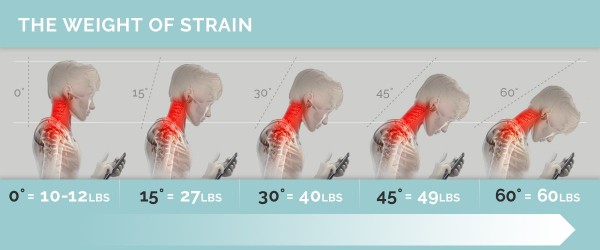
Poor posture and “the tech neck” can contribute to neck pain by increasing mechanical stress on the cervical spine, muscles, ligaments, joints, and surrounding tissues. Tech neck refers to the prolonged forward-head posture commonly adopted when looking down at phones, tablets, or laptops, or when reading.

The head weighs approximately 10–12 lb (4.5–5.5 kg) in a neutral position. As the head moves forward, the effective load on the neck increases substantially, causing an increased load on the cervical spine.

Phones

Laptops

Remote work

Driving

Forward head posture

Breast / chest feeding

CAUSE 02

Muscle Tension & Stress

Muscle tension and stress can contribute to neck pain by altering muscle activity, movement patterns, pain sensitivity, and spinal mechanics. Muscle tension may include muscle guarding and the development of myofascial trigger points, or “muscle knots.” Stress can lead to altered movement patterns, such as elevating the shoulders and clenching the jaw, our natural fight response. It can also cause increased pain sensitivity, stress-related or “tension-type” headaches, and sleep disruption.

Ever wondered why your chiropractor asks about your sleep habits? Sleep hygiene goes a long way in the recovery process, whether you present with a new injury or a chronic pain issue.

Tight neck muscles

Stress-related tension

Shoulder & upper back involvement

CAUSE 03

Cervical Joint Restrictions

A joint restriction refers to a reduction in normal joint mobility. Joint restrictions can cause local joint irritation, reduced range of motion, altered movement patterns, muscle tightness or guarding, and headaches. Proprioception, our sense of self-movement, force, and body position, may also be affected by cervical joint restrictions, as the cervical joints provide the brain with information about head and neck position.

Some patients find significant relief of muscle tension or headache immediately following a chiropractic adjustment, even before targeted muscle or fascia release techniques are applied.

Cervical spine function

Joint mobility

Neck movement limitations

CAUSE 04

Pinched Nerves

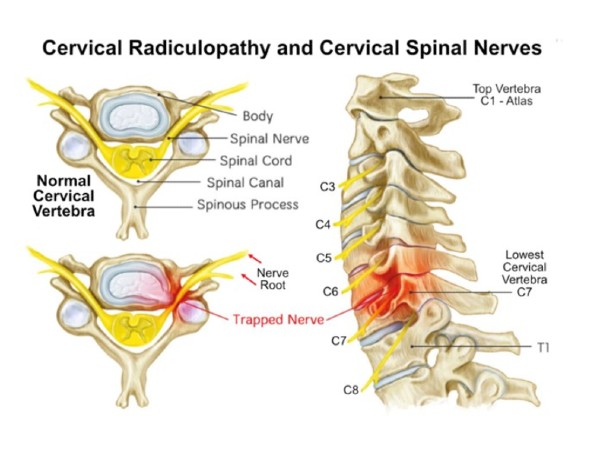
A pinched nerve, or radiculopathy, can cause pain that is sharp, electric, shooting, or even burning. You may experience muscle guarding, pain with certain movements, or pain that travels beyond the neck, such as into the arm or shoulder. Distribution depends on which nerve is affected and may include numbness, tingling (pins & needles), or weakness.

A postural change, or antalgia, may be observed, such as tilting the head to one side, holding the neck stiffly, or avoiding certain movements, like a shoulder check while driving. For mild to moderate nerve pain, your chiropractor is a great place to start to assess and determine the source of your pain. If the pain is accompanied by significant weakness, please seek immediate medical attention.

Cervical nerve irritation

Pain patterns

Numbness & tingling

CAUSE 05

Whiplash & Injury

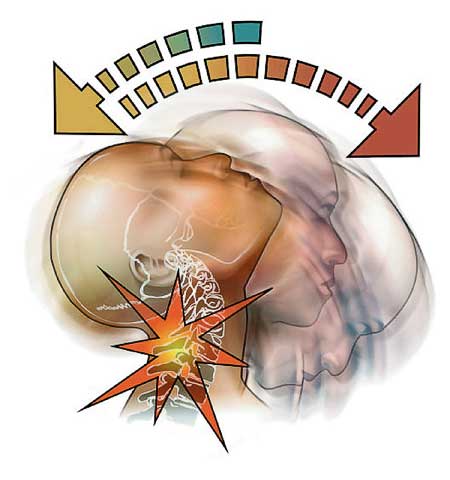
Whiplash-related neck pain is often viewed as the result of a combination of soft tissue injury (muscles, ligaments, and/or cervical disc involvement), joint dysfunction, inflammation, altered muscle function, and, in some cases, nerve irritation. Chiropractic management focuses on restoring normal movement, reducing pain, improving muscle tone, and helping patients return to normal function.

Car accidents

Sports injuries

Falls

Not all neck injuries are appropriate for chiropractic care alone

Urgent medical assessment is warranted if neck pain follows significant trauma and is accompanied by:
  • Severe or worsening neurological symptoms (arm or leg weakness, numbness, loss of coordination)
  • Difficulty walking or problems with balance
  • Loss of bowel or bladder control
  • Severe headache unlike previous headaches
  • Loss of consciousness, confusion, or persistent vomiting
  • Severe midline neck tenderness or inability to support the head
  • Signs of fracture, spinal instability, or vascular injury

In these situations, advanced imaging and emergency medical evaluation should take priority before any manual therapy is considered. Not sure if your injury requires a trip to the ER? If you’re a Quebec resident, you can call 811 at any time and they can assist you.

CAUSE 06

Degenerative Changes

Degenerative changes contribute to neck pain by affecting the discs, facet joints, ligaments, muscles, and nerves, which can alter normal spinal mechanics and movement. Muscle tension can occur as a compensation pattern to protect the area, and may result in trigger points in the neck, shoulder, or upper back, or tension-type headaches. Although these age-related changes are common and often painless, they may become symptomatic when they lead to joint dysfunction, muscle tension, inflammation, or nerve irritation.

It’s important to note that degenerative changes seen on imaging (x-ray, MRI, CT) may not reflect the lived experience of the individual. Someone may have zero pain with significant degenerative changes at any age, while someone with fairly minor changes on an x-ray could be experiencing debilitating pain. Your care plan should focus on reducing pain intensity and frequency and improving your activities of daily living, so you can return to the movement and daily activities you enjoy.

Mild degenerative changes begin to accumulate as early as our 30s, and both the chiropractic and medical community recognize this as a normal part of aging. Dr. Hayden will often say it’s just a matter of how much and where, because we all collect these changes over our lifetime.

Age-related changes

Arthritis

Wear and tear

THE BASICS

Understanding Your Neck: The Cervical Spine Explained

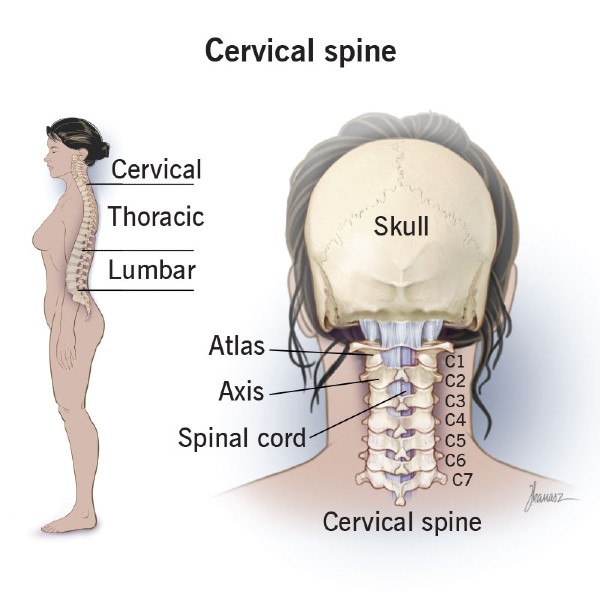
The cervical spine is made up of seven vertebrae, labelled C1 through C7, that support the weight of your skull while allowing you to nod, tilt, and rotate your head. The top two vertebrae, the atlas (C1) and axis (C2), have a unique shape that allows the greatest range of motion in your entire spine.

Between each vertebra sit discs that absorb shock, and a network of muscles, ligaments, and joints that keep everything stable while permitting movement. The spinal cord runs through the centre of the cervical spine, with nerve roots branching out at each level to supply sensation and movement to the shoulders, arms, and hands. Because posture directly affects how evenly these structures are loaded, small habitual changes, like screen height or pillow support, can have an outsized effect on how your neck feels day to day.

Neck anatomy
7 cervical vertebrae supporting the skull

Cervical vertebrae
Atlas (C1) & axis (C2) allow rotation

Supporting muscles
Stabilize and move the head

Nerve pathways
Supply the shoulders, arms & hands

A COMMON QUESTION

Can Neck Pain Cause Headaches?

One of the most common questions patients ask is whether their neck pain could be causing their headaches.

The Neck-Headache Connection

Cervicogenic headaches originate from structures in the neck, most often the upper cervical joints, muscles, and surrounding soft tissue. Irritation or restriction in these areas can refer pain up into the head through shared nerve pathways, so the pain you feel behind your eyes or across your temple may actually start at the base of your skull. Joint dysfunction and muscle tension frequently overlap, which is why a thorough assessment of the neck is a key step in understanding a recurring headache pattern.

Symptoms That May Suggest a Neck-Related Headache

  • Headache with neck pain
  • Stiff neck and headache
  • Pain at the base of the skull
  • Headaches triggered by neck movement
  • Neck strain causing headaches


Headaches may be connected to your neck pain. Learn more about headache treatment options.

OUR APPROACH

How Dr. Natasha Hayden Treats Neck Pain

Every patient receives a thorough assessment before treatment recommendations are made. From there, care is built around what your neck actually needs, not a one-size-fits-all protocol.

01

Comprehensive Assessment

A detailed history and physical exam, including postural and movement analysis, to identify the true source of your symptoms before any treatment begins.

02

Chiropractic Adjustments

Gentle, targeted adjustments to restore mobility to restricted cervical joints, relieve pressure, and support more balanced movement through the neck.

03

Soft Tissue Therapy

Hands-on techniques, including motion cupping, IASTM (also known as Graston Technique or Gua Sha) to release tight muscles, reduce trigger points, and calm surrounding soft tissue tension.

04

Postural Correction Strategies

Practical guidance to reduce the mechanical strain of tech neck and forward head posture in your day-to-day routine.

05

Exercise & Rehabilitation

Targeted stretches and strengthening exercises to support your neck between visits and build lasting resilience.

06

Lifestyle & Ergonomic Guidance

Sleep position, workstation setup, and daily habit adjustments that make a measurable difference in how your neck feels.

Hands-On, Individualized Care

Treatment is never generic. Dr. Hayden combines chiropractic adjustments with soft tissue work, movement retraining, and practical lifestyle guidance, adjusting the plan as your neck responds and your goals evolve.

WHY PATIENTS CHOOSE US

Why Choose Dr. Natasha Hayden for Neck Pain Treatment in Montreal?

1

Personalized Care

Treatment plans built around your specific symptoms and goals.

2

Whole-Body Perspective

Your neck doesn't exist in isolation, so neither does your care plan.

3

Evidence-Informed

Recommendations grounded in current chiropractic research.

4

Education & Prevention

Understanding your neck helps you protect it long after your visit.

5

Long-Term Results

Focused on lasting relief, not temporary fixes.

IN BETWEEN VISITS

Neck Pain Self-Care Strategies

How to Reduce Neck Pain Naturally

  • 1Improve your posture, keeping your ears in line with your shoulders when sitting or standing.
  • 2Take regular screen breaks to unload the neck from a fixed forward position.
  • 3Stretch regularly, including gentle chin tucks and shoulder blade squeezes.
  • 4Stay active, keeping the neck and surrounding muscles moving.
  • 5Use supportive sleeping positions and a pillow that maintains your neck's natural curve.

When Self-Care Isn't Enough

Most mild to moderate neck pain responds well to the self-care strategies above. It may be time for a professional evaluation if:

Pain Persists or Worsens

  • Symptoms last longer than a week or two
  • Pain is getting worse rather than improving
  • Stiffness limits your daily activities

Nerve Symptoms Appear

  • Numbness, tingling, or weakness in the arms or hands
  • Pain radiating from the neck into the shoulder or arm
  • Symptoms following an injury, fall, or accident

If you experience severe weakness, loss of coordination, or any of the red flag symptoms outlined above under whiplash and injury, seek urgent medical attention rather than starting with self-care.

PATIENT SUCCESS STORIES

What Our Patients Say

Featured testimonials focused on neck pain relief, improved mobility, headache reduction, and better quality of life.

★★★★★

"Dr. Hayden is a pleasure to go see. She has been helping my newborn with neck tensions with such care and patience. Along the way she has helped me find the best Dr. for my son's tongue tie. We love her and recommend her 100%."

Audrey A.
★★★★★

"Before seeing the chiropractor, I was suffering from constant neck pain that left me feeling frustrated and uncomfortable. After seeing Dr Natasha, I experienced more mobility, and relief from pain – my range of motion increased, and I had fewer headaches! Hayden Chiropractic offers great care with a friendly smile."

Katrina L.
★★★★★

"I have been seeing her for years now. She is very gentle, never causes any pain, always feel better after my session. No excessive scary cracking like we see online. I used to suffered from stiff and painful neck, not the case anymore!"

Mich S.
★★★★★

"Dr. Hayden is insightful, knowledgeable, and skilful. She has a warm and welcoming personality, and she genuinely cares. I feel lighter and uplifted after leaving her office, and I particularly love her holistic approach, her combination of chiropractic manipulations and the useful tools she gave me (exercises to do, lifestyle habits, ideas/mental tools, and various references to check online). I'd refer her with joy and confidence to anyone who'd like to improve their health, whether it's a pain, a check up, or regular adjustments. She's the full package."

Raja C.

COMMON QUESTIONS

Frequently Asked Questions About Neck Pain

Can a chiropractor help with neck pain?

Yes, a chiropractor can often help. The first step is to conduct an initial assessment. Targeted neck adjustments (cervical manipulation), soft tissue therapy, and postural corrections may help restore joint mobility, relieve pressure, and decrease muscle tension.

Can neck pain cause headaches?

Yes. With cervicogenic or tension-type headaches, the neck is the source of the problem and the pain is perceived as a steady, non-throbbing pain at the back and base of the skull.

How do I relieve a stiff neck naturally?

Try gentle stretching such as chin tucks and shoulder blade squeezes. An Epsom salt bath or a topical magnesium cream may help relax muscles. While ice is not as commonly suggested, some may find relief applying ice for 10-15 mins every 1-2 hours for the first 1-2 days. After 48 hours, contrast therapy may be helpful: cycle between heat for 3-4 mins and ice for 1 min, repeating the cycle 3-4 times.

Is cracking your neck bad for you?

Occasional, gentle neck cracking is generally harmless; however, it is safer to consider seeing a trained, licensed professional chiropractor.

What causes neck pain when sitting at a desk?

Your neck is designed to move. Remaining in a fixed position can lead to muscle fatigue, tightness, and back and neck pain.

Can a pinched nerve in the neck heal on its own?

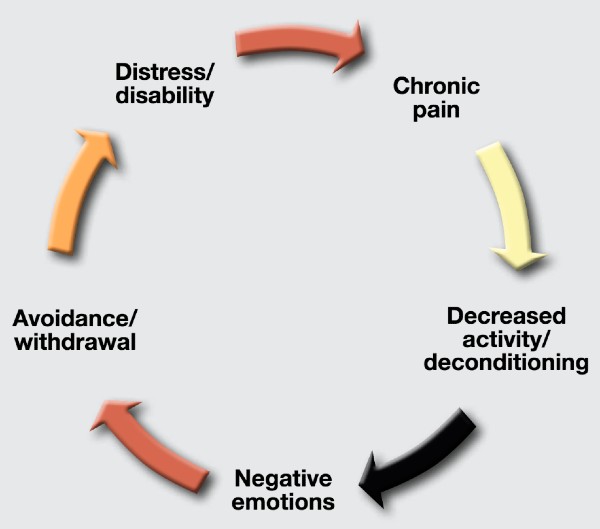
Most mild cases of a pinched nerve in the neck heal on their own with adequate rest and at-home care within 8-12 weeks. If the pain persists, a chiropractor can perform an assessment. It is generally recommended to address new aches and pains prior to the three-month mark, as new-onset (also known as acute) pain is typically easier to manage than pain that has become chronic. Chronic pain is defined as any pain lasting longer than 3 months.

How do I know if my headache is coming from my neck?

Does your headache feel like it starts deep in the base of your skull, then slowly radiates up and around your temples? Does it feel like a 'tight hat'? Does it feel worse when you turn your head to the side or hold an awkward posture for too long? A chiropractor can truly diagnose your headache.

When should I seek treatment for neck pain?

For most neck pain, it's okay to try self-care strategies before seeking medical help. However, if your neck pain is so severe that you can't sit still, contact a chiropractor right away. Contact emergency services if experiencing sudden onset of 'the worst headache of your life', new onset nausea and vomiting with headache, changes in vision or balance, weakness in the face or limbs, or difficulty with speech.


PROUDLY LOCAL

Serving Patients Throughout Montreal

Dr. Natasha Hayden welcomes neck pain patients from across Montreal and the surrounding communities.

Montreal Westmount NDG Côte-des-Neiges Outremont Ville-Marie Verdun Surrounding Communities
Take the Next Step

Ready to Find Relief From Neck Pain?

You don't have to live with ongoing neck pain, stiffness, headaches, or limited mobility. Dr. Natasha Hayden provides personalized chiropractic care to help identify the source of your symptoms and create a treatment plan tailored to your needs.

Personalized Care Evidence-Informed Approach Montreal Chiropractic Clinic Focused on Long-Term Relief